
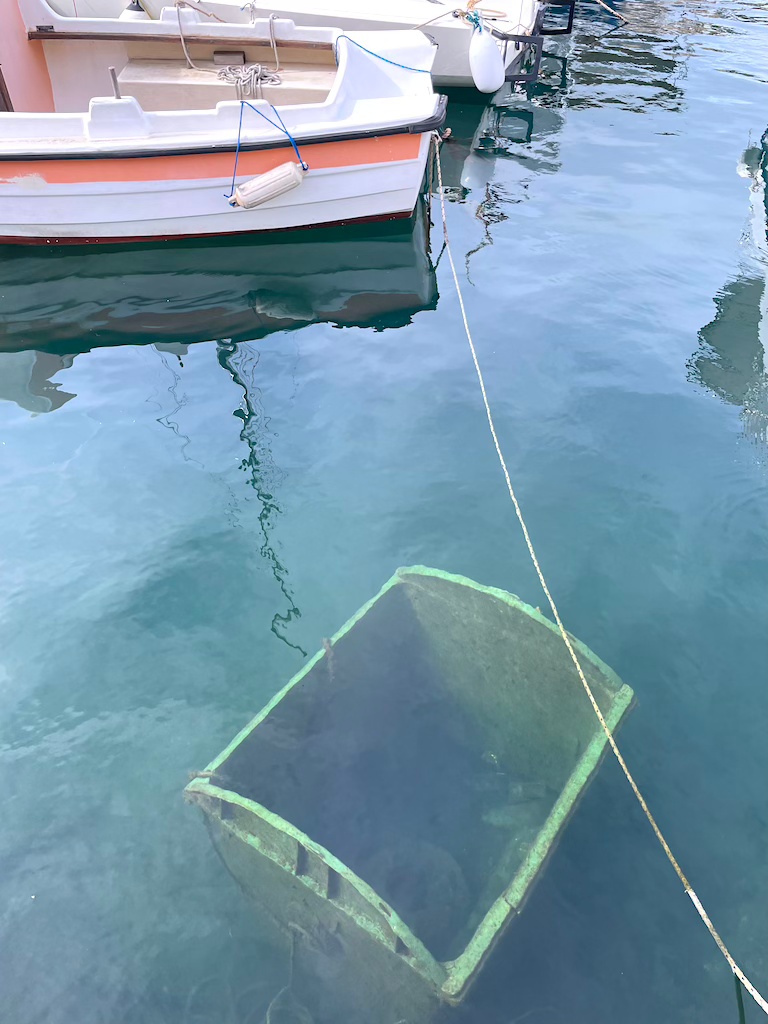
Earth Day 2026
Every year on April 22, the world marks Earth Day — a reminder that the way we live, travel, and work leaves a trace on the planet.
What started back in 1970 has grown into a global movement. But the core idea hasn’t changed much:
If we want to keep the places we love, we have to take better care of them.
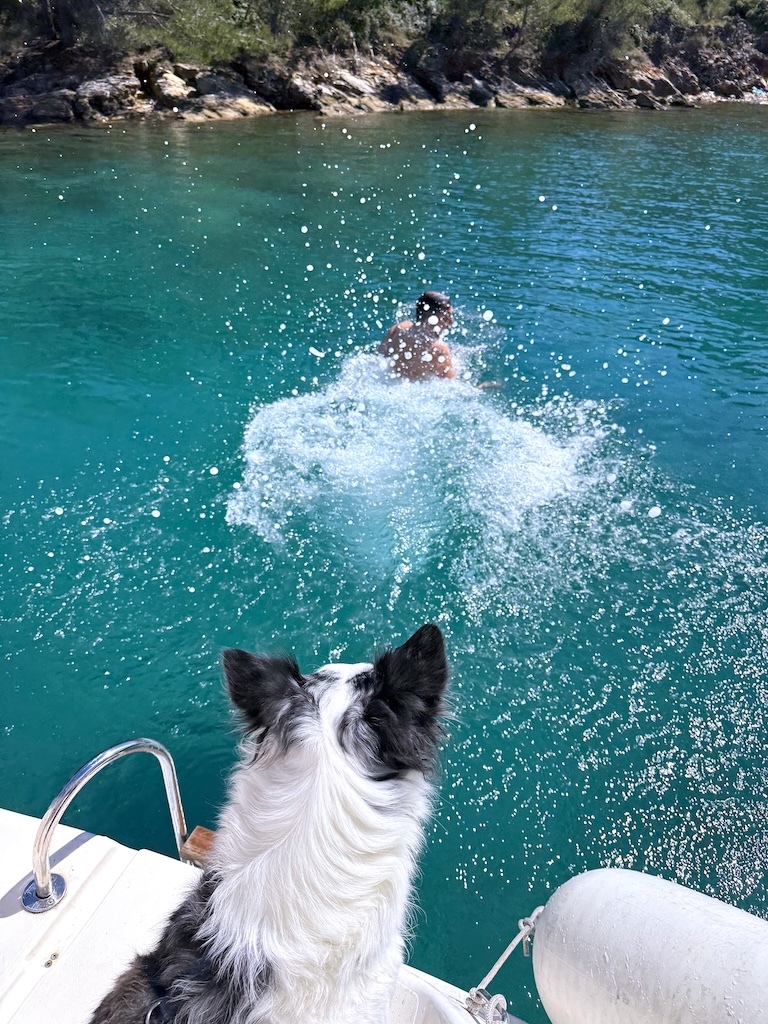
For us at Sailhunt that place is the sea.
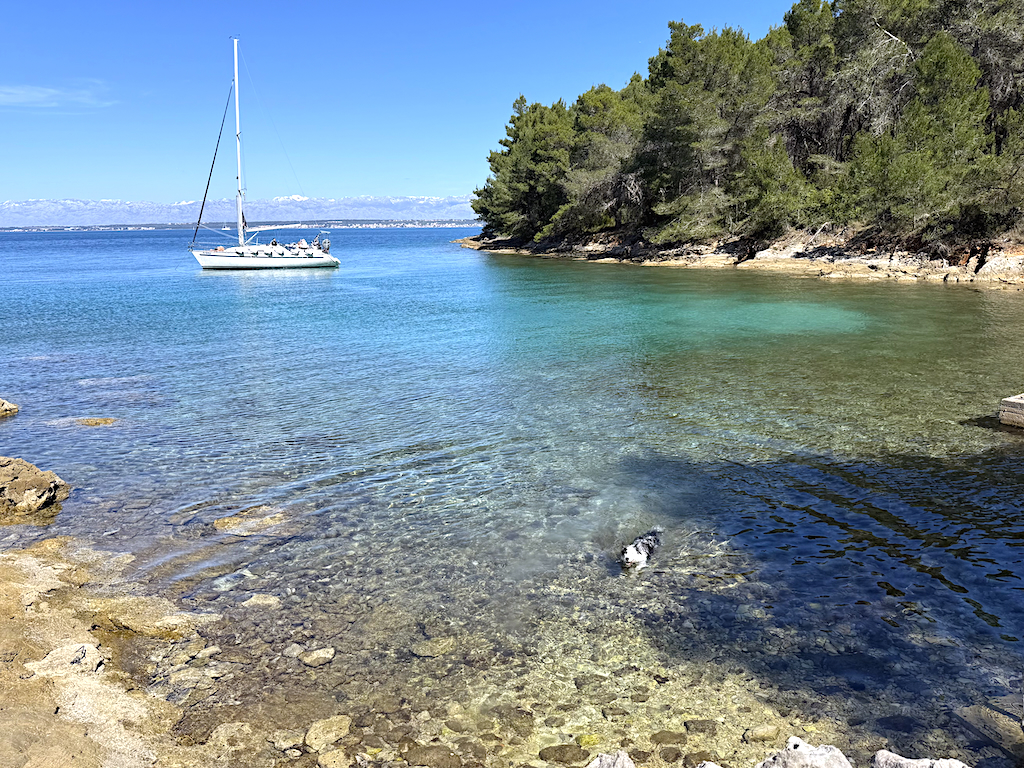
And when you spend enough time out here, you start noticing everything — the clarity of the water, the small pieces of plastic in quiet bays, the difference between untouched nature and the parts we’ve already impacted.
It makes things feel closer.
More personal.

When the Year Runs Out Before It Should
There’s a concept called Earth Overshoot Day — the day when humanity uses more natural resources than the Earth can regenerate in a year.
Each year that date comes a bit earlier.
Which basically means we’re not just using what we have — we’re borrowing from the future.
At sea, you can see what that looks like:
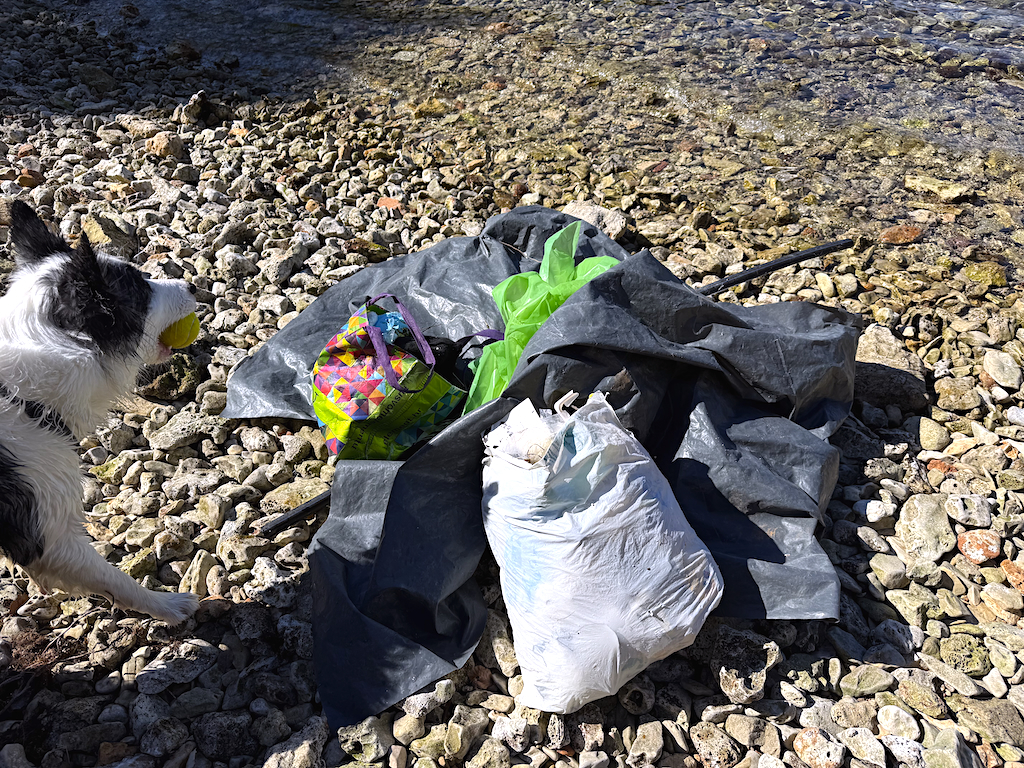
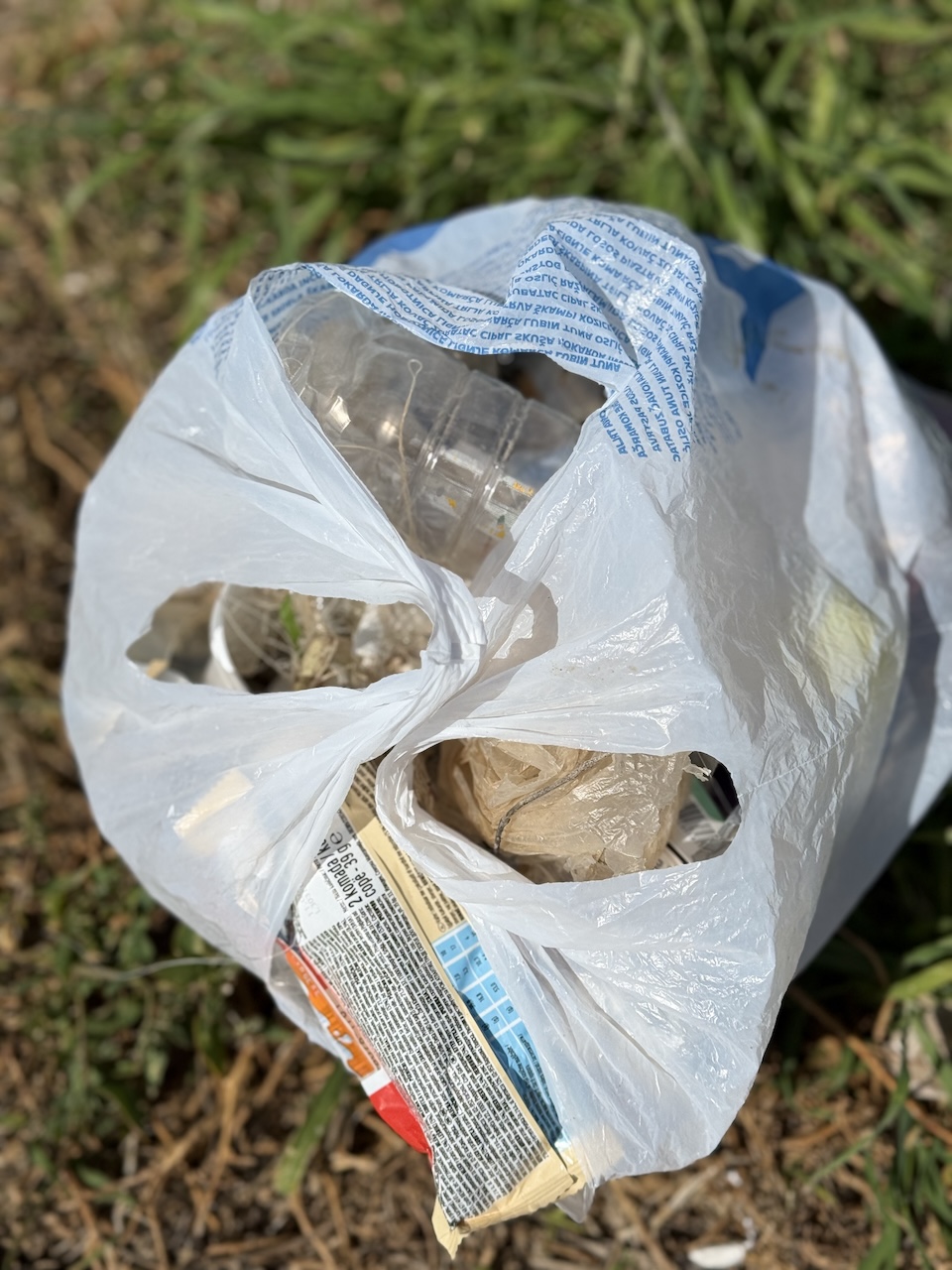
- plastic where there shouldn’t be any
- pressure on marine life
- changes that are subtle, but real
Small Actions That Stay With Us
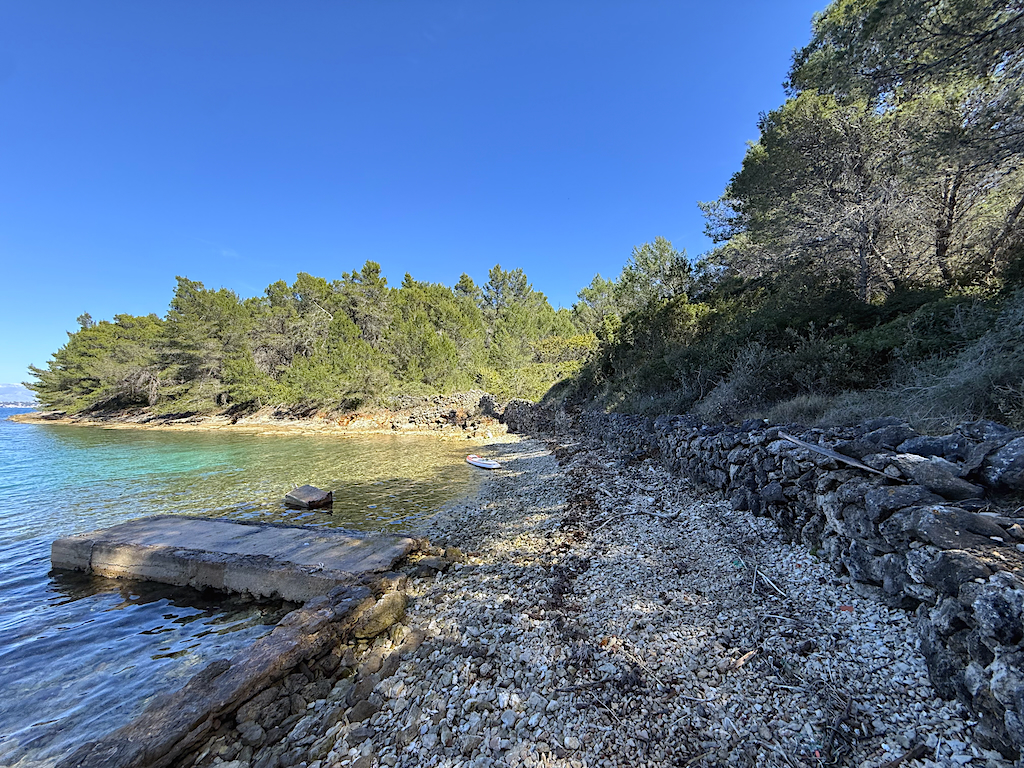
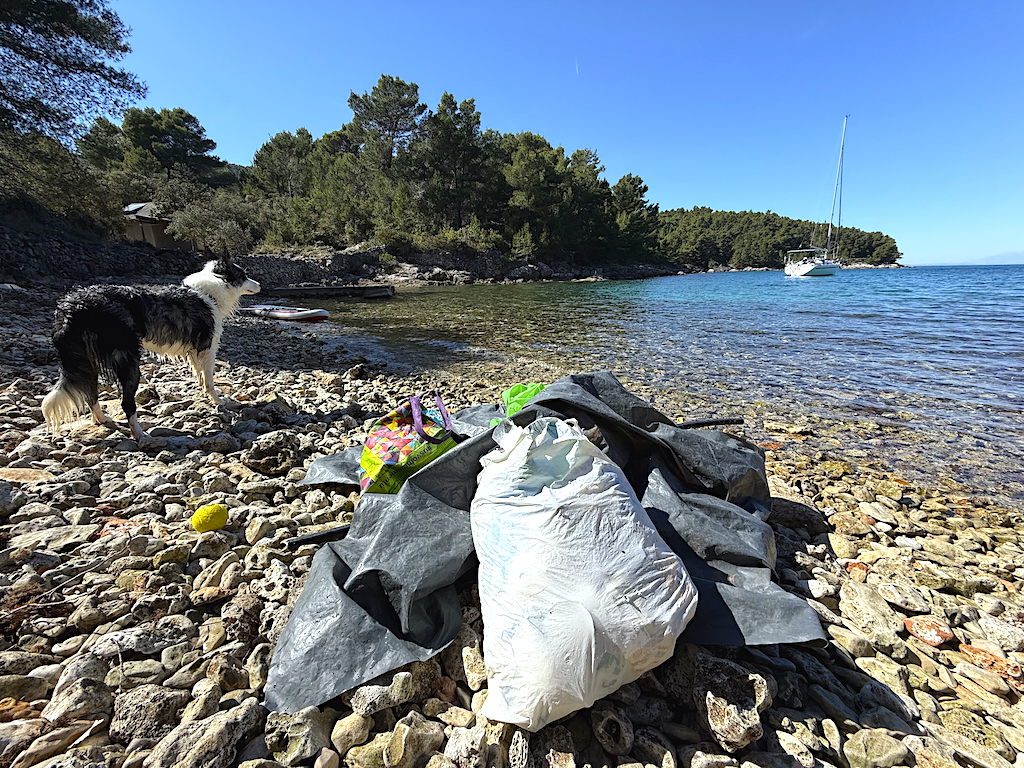
Sometimes the simplest things make the biggest difference. Like picking up plastic during a short walk on the beach (5 minute beach cleanup).
Or following the idea of taking just a few pieces of trash with you every time you leave the sea (Take 3 for the sea).
We try to:
- reduce waste where possible
- to repair before buying new products
- whenever possible, we choose local, small producers that share the same values
- replace even small items (like plastic pegs) with better alternatives
- print only what’s necessary
Not because it changes everything overnight —
but because it changes something.
What We Do at Sailhunt
(and What We’re Still Figuring Out)
We’re a small family business, so most decisions don’t go through big strategies — they happen step by step, often while working on the boat, thinking what could be done better next time.
Some things we’ve already changed:
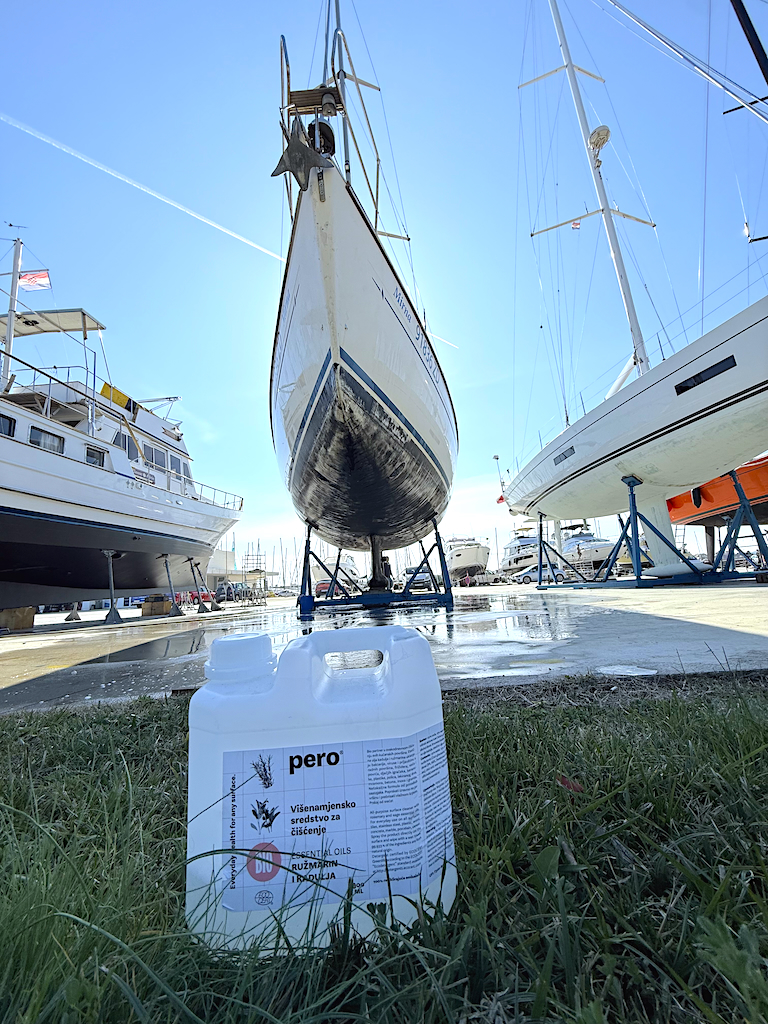
- We use eco-certified cleaning products from Pero — for cleaning the boats outside & inside, as well as kitchen detergents, cleaning detergents for bathrooms, hands & body soaps and laundry detergent
- We use recycled toilet paper and kitchen towels
- We clean waste tanks with enzyme-based, non-toxic solutions instead of aggressive chemicals
- We try to replace plastic with wood, glass, metal or cotton, wherever it makes sense and is possible
- We’ve switched to rechargeable batteries
- All our boats use solar panels
- We reduce water use — even simple things like cleaning with a water pistol instead of a running hose
- We air-dry the laundry (the one we wash by ourselves) in the sun instead of using energy-intensive dryers
Some of these changes are small.
Some take more time.
All of them are ongoing.
And to be completely honest — not everything goes as planned.
This year, for example, we didn’t manage to switch to a more eco-friendly antifouling.
It’s something we’re already looking into for the next season, along with better options for paints and varnishes.
Because the reality is: finding solutions that are safer for the environment and work well at sea isn’t always straightforward.
But that’s also the point — we keep adjusting, learning, and trying again.
Learning As We Go
We don’t have all the answers — and we don’t try to pretend we do.
What we do try is to stay curious and open:
- learning about better materials and solutions
- following initiatives like beach cleanups and habits like pick up a few pieces of the trash with you any time, any place
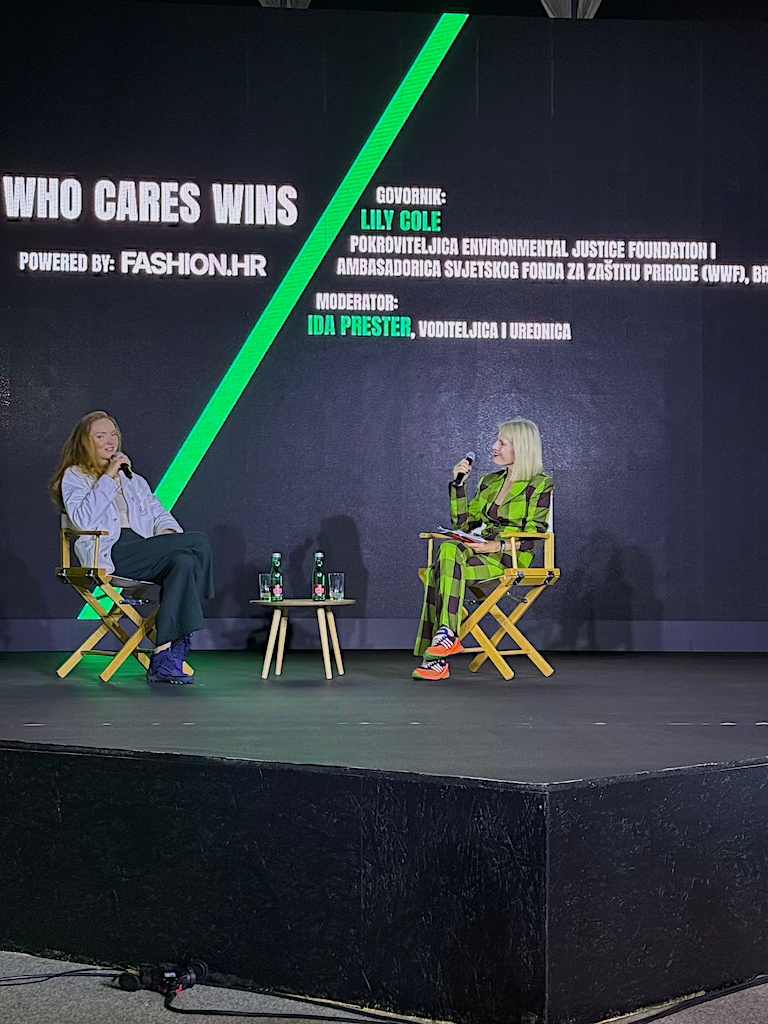
- visiting events like Greencajt Festival to see how others are approaching the same challenges
Because sometimes the best ideas come from simply paying attention.
Sharing It With Our Guests
Sailing is one of the most beautiful ways to experience nature —
but also one that comes with responsibility.
So we try to keep things simple and practical onboard:
- respect marine life
- be mindful with water and electricity
- reduce single-use items
- separate waste (plastic, general, bio)
And one thing we always highlight — anchoring matters.
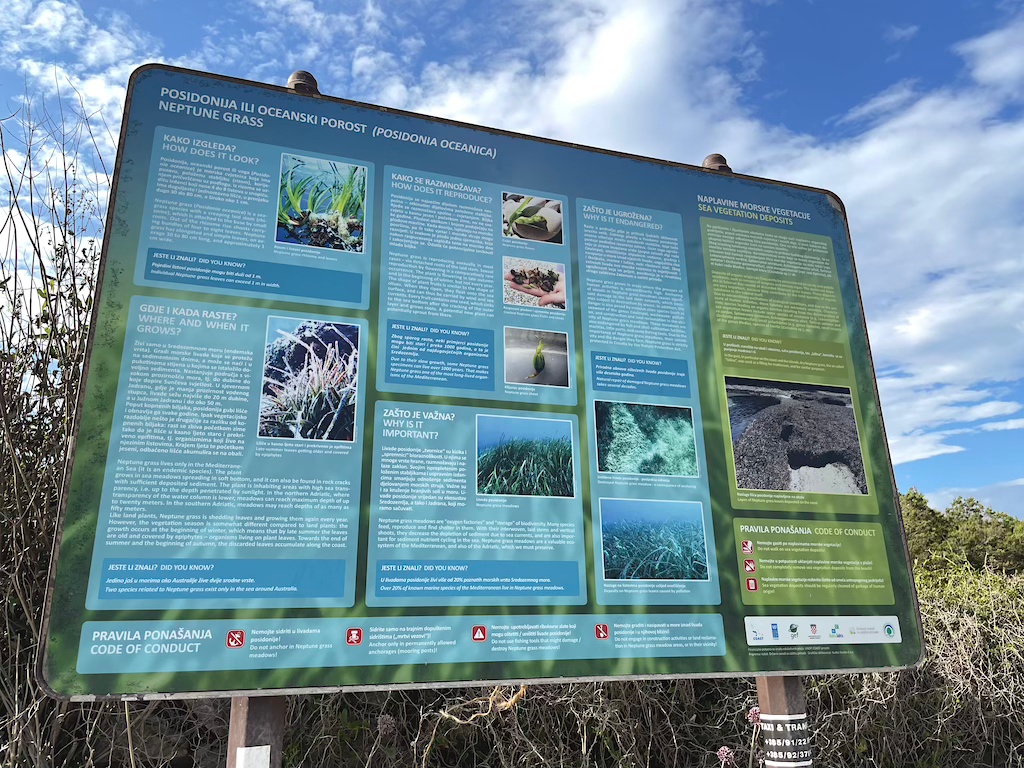
In the Adriatic, there’s an underwater plant called Posidonia oceanica.
It may not look like much from above, but it’s essential for the entire ecosystem.
Avoiding it when anchoring is a small action that actually has a big impact.
What Anyone Can Do (Even on Holiday)
You don’t need a big plan to make a difference.
Just a bit of awareness:
- don’t throw anything into the sea
- bring reusable bottles or bags
- reduce and separate waste
- use more environmentally friendly products
- respect wildlife — observe, don’t interfere
- anchor responsibly
None of this is complicated.
But together, it adds up.
From One Day to Every Day
Earth Day is a good reminder, but the real value is in what happens after.
For us, this isn’t a finished story.
It’s something we keep working on — quietly, imperfectly, but consistently.
Because the sea gives us a lot.
And the least we can do is try to give something back.


Leave a Reply